What is Wilson's disease?
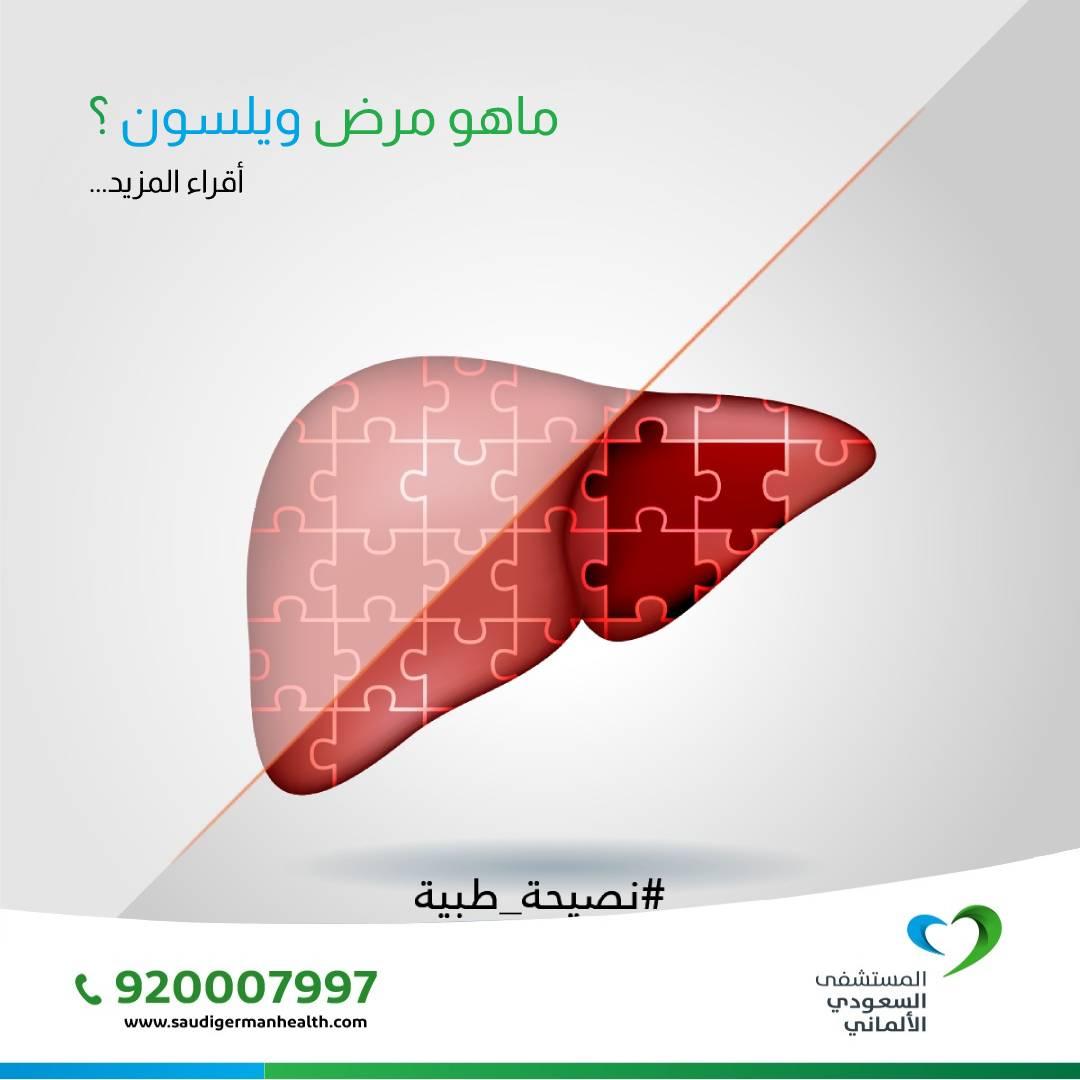
What is Wilson's disease?
Wilson's disease is a genetic disorder affecting the liver, in which the liver is unable to remove the extra copper properly, leading to the accumulation of copper inside the body to a toxic level.
The clinical picture of Wilson's disease includes the following:
- Symptoms related to liver affection, include; nausea, vomiting, abdominal bloating, weakness, fatigue, weight loss, itching, loss of appetite, lower limb edema, jaundice, and muscle cramps.
- Neurological symptoms include; migraine, abnormal gait, depression, insomnia, deterioration of vision, and changes in the personality.
- Miscellaneous: formation of kidney stones, bluish discoloration of nails, arthritis, osteoporosis, hypotension, and menstrual irregularities.
Initial diagnosis of Wilson's disease may be difficult, as the clinical picture may be similar to many other health conditions, such as; heavy metal poisoning, cerebral palsy, or hepatitis C. For conclusive diagnosis of Wilson's disease, multiple blood tests will be done to search for the following criteria:
- Genetic disorders.
- Abnormal level of liver enzymes.
- Increased level of copper in the blood.
- Decreased blood glucose level.
Also, brain abnormalities can be assessed by CT or MRI imaging, while liver disorders can be assessed by liver biopsy.
Management of Wilson's disease includes the removal of excess copper by chelating therapy. In advanced cases, a liver transplant is recommended.
 Book Now